
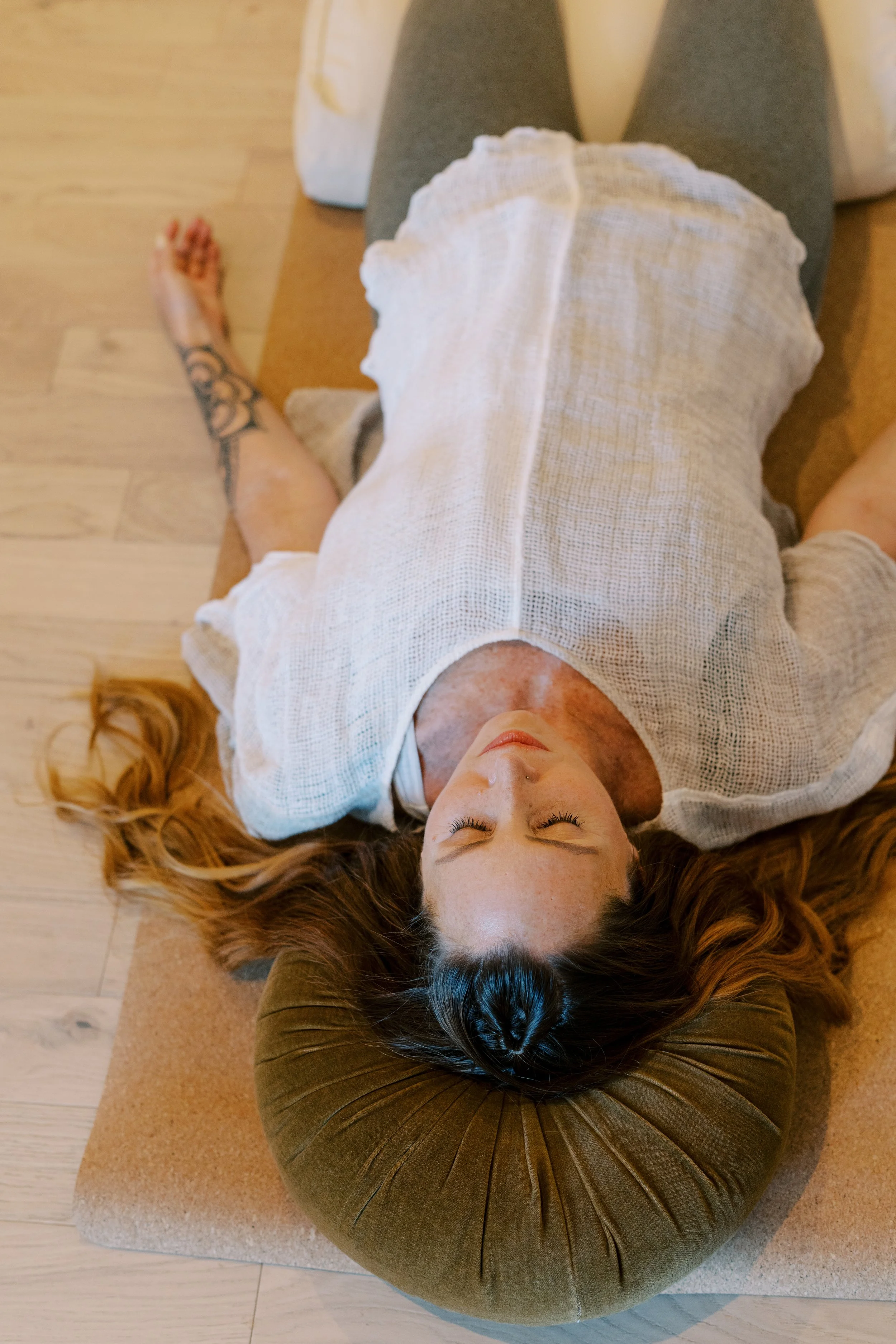
When people first learn about Panchakarma, they are naturally drawn to its traditional Ayurvedic techniques and procedures. They want to understand the oils, herbs, therapeutic applications, dietary practices, and carefully sequenced methods of cleansing that make Panchakarma such a distinctive aspect of Ayurveda. These practices are important, but after more than two decades of working with Ayurveda and Panchakarma, I have found that one of the most essential aspects of the process is often the least understood: rest.
Rest is not simply something that happens in between Panchakarma techniques. It is an intentional and necessary part of the process.
In fact, for some people, learning how to truly rest can be nearly half of the challenge of Panchakarma.
I do not mean this as a clinical measurement or scientific statistic, but rather as an observation from years of working with people through this process. Following a prescribed diet, taking herbal preparations, or participating in daily Ayurvedic techniques may come quite naturally to someone who is disciplined and accustomed to following a plan. Allowing themselves to slow down, step away from responsibility, and genuinely receive can be much more difficult.
This is particularly true in a culture where productivity is often equated with progress.
We Are Not Always Good at Resting
Most of us have become accustomed to living in a state of continual activity. We wake up and immediately begin responding to our phones, our families, our work, and the responsibilities that fill our days. Even our vacations can become highly scheduled experiences in which we move from one activity to another, often returning home needing another vacation.
There is nothing inherently wrong with being active or engaged with life. The challenge is that having free time is not necessarily the same thing as resting.
Panchakarma asks something different of us.
It creates an opportunity to temporarily step away from the pace and demands of ordinary life so that the body and mind can move into a quieter rhythm. There is less stimulation, greater simplicity, regular nourishment, appropriate daily practices, and intentional periods of stillness.
For someone who has spent years caring for children, managing a business, working in a demanding profession, caring for a household, or simply living within a very full schedule, this change can feel surprisingly unfamiliar.
The body may be ready to slow down long before the mind is.
Panchakarma Is a Process, Not a Collection of Techniques
It is easy to think of Panchakarma as a series of individual Ayurvedic procedures, but traditionally it is much more comprehensive than that. Panchakarma is a carefully structured process that includes preparation, specific therapeutic procedures, appropriate food, daily routine, rest, and a thoughtful period of transition afterward.
Each part has a purpose, and the way these elements work together is fundamental to the experience.
The body does not exist separately from its environment. What we eat, how we sleep, how much stimulation we receive, the physical activity we engage in, and the demands placed upon our attention all influence the way we experience a period of intensive Ayurvedic care.
This is why the environment surrounding Panchakarma matters so much.
A person may receive an Ayurvedic technique in the morning, but if they then spend the afternoon answering work emails, managing household responsibilities, driving through traffic, running errands, caring for everyone around them, and maintaining the same pace they experience at home, they have not truly stepped into the rhythm of Panchakarma.
The traditional techniques remain important, but the individual is simultaneously asking their system to participate in two very different environments: one oriented toward slowing down and receiving, and another oriented toward continued activity, stimulation, and outward engagement.
The environment matters because the entire day becomes part of the Ayurvedic process.
Why Rest Can Be the Hardest Part
One of the things I have observed repeatedly over the years is that people sometimes arrive at Panchakarma believing they will have no trouble resting, only to discover that genuine rest is much more difficult than they expected.
For someone who is accustomed to being productive, slowing down can initially bring a certain amount of discomfort. The mind may begin looking for something to accomplish. There may be an impulse to check a phone, answer an email, make a call, exercise, explore the area, or fill the quiet with conversation.
Again, this is not a failure.
It is an opportunity to observe how accustomed we have become to constant activity.
When the external demands become quieter, we can begin to notice what is happening internally. Sometimes we discover how tired we actually are. Sometimes we notice how frequently our attention moves outward. Sometimes we realize that we have forgotten what it feels like to simply be still without needing to accomplish something.
For some people, learning to become comfortable with this stillness is one of the most valuable aspects of their Panchakarma experience.
This is where I often say that rest can represent nearly 50 percent of the challenge. Not because there is a scientific formula assigning a percentage to rest, but because I have seen how difficult it can be for people to genuinely disengage from the patterns that have contributed to their exhaustion in the first place.
Why a Residential Panchakarma Program Can Make Such a Difference
This is one of the reasons I believe there is such value in experiencing Panchakarma within a residential Ayurvedic environment.
When you remain at a dedicated Panchakarma retreat sanctuary, you are temporarily removed from many of the ordinary responsibilities that compete for your attention. You are not responsible for preparing your meals, returning home after your daily Ayurvedic procedures, deciding what needs to happen next, or fitting your Panchakarma experience around an already-full schedule.
Instead, the environment provides structure.
There is a consistent rhythm to the day. Meals are prepared according to the needs of the program. Ayurvedic techniques are thoughtfully scheduled. Gentle yoga, meditation, nature, quiet time, and sleep become part of the daily experience.
This creates something that can be very difficult to establish while remaining at home: a true container for rest.
At Purusha Ayurveda, this is an important part of how we approach residential Panchakarma. Our intention is not simply to provide a beautiful setting in which people can receive traditional Ayurvedic procedures. We create an environment where the entire rhythm of the stay supports the process.
Nourishment, Ayurvedic techniques, rest, gentle movement, meditation, nature, and sleep are woven together into a daily rhythm that allows the individual to step away from the pace of ordinary life and experience Ayurveda in a more complete way.
The Importance of Reducing Stimulation
Ayurveda places considerable importance on the relationship between the senses, the mind, and the body. Our modern lives expose us to an extraordinary amount of sensory information. Screens, notifications, traffic, news, work, social media, communication, and the constant availability created by technology can keep our attention oriented outward almost continuously.
Panchakarma offers a temporary interruption to that pattern.
A quieter environment and consistent daily rhythm can provide an opportunity to reduce unnecessary stimulation and become more aware of what is happening within. Gentle yoga and meditation encourage awareness without demanding physical exertion, while time spent in nature offers a different quality of sensory experience than the constant stimulation of modern life.
The intention is not to suggest that stimulation itself is harmful or that we should withdraw from ordinary life permanently. Rather, Panchakarma provides a period in which the body and mind can experience what it is like to have fewer demands placed upon them.
That space is valuable.
Rest Is Also About Learning to Receive
There is another aspect of rest that I believe is particularly meaningful for many people who come to Panchakarma: learning how to receive.
Many of us are accustomed to being the ones who organize, provide, care for others, make decisions, and keep everything moving. We may be very comfortable giving our time and energy while being much less comfortable allowing someone else to care for us.
A residential Panchakarma program creates an opportunity to temporarily step out of that role.
Your meals are prepared. Your Ayurvedic procedures are scheduled. Your herbal preparations are organized. Your daily rhythm has been thoughtfully created to support the process. Rather than constantly determining what needs to happen next, you have the opportunity to follow a structure designed around nourishment, care, and restoration.
For some people, simply being cared for in this way can be deeply nourishing.
It also reminds us that rest is not laziness, and receiving is not the same as being passive. There are times when the most appropriate action is to reduce activity and allow the body the time and space it needs to respond to the care and nourishment it is receiving.
What We Learn When We Slow Down
One of the beautiful aspects of Panchakarma is that the experience can continue to influence us long after we leave the sanctuary.
A residential program provides an opportunity to experience a different rhythm for a period of time, but it can also help us recognize which aspects of that rhythm we may want to carry home.
Perhaps you discover that your digestion feels better when you eat at consistent times. Perhaps you realize how much your sleep is influenced by what happens during the hours before bed. Perhaps you recognize that you need more quiet in your day, more time outdoors, or fewer commitments layered on top of one another.
You may also become more familiar with the subtle signals your body gives you when it needs rest.
This awareness is valuable because Ayurveda is not simply about what we do when we are unwell. It is also about learning to live in greater relationship with our individual constitution, our environment, our digestion, our energy, and the natural rhythms of life.
Panchakarma can provide a rare opportunity to experience that relationship more consciously.
The Forgotten Half of Panchakarma
Panchakarma is often described through its traditional techniques, herbs, oils, dietary practices, and specialized procedures. These are important aspects of the process, but they cannot be separated from the environment, daily rhythm, nourishment, and rest that surround them.
Rest is not what happens when there is nothing else scheduled.
Rest is part of the process itself.
For some people, it comes naturally. For others, it may be one of the greatest challenges of their entire Panchakarma experience. Learning to step away from constant productivity, quiet the senses, release responsibility for a period of time, and allow yourself to receive can require as much intention as following any dietary or herbal protocol.
This is why a residential Panchakarma experience can be so valuable. When the environment supports the process, you are not simply participating in a series of Ayurvedic techniques; you are temporarily living within a rhythm designed around nourishment, care, reflection, and rest.
After more than twenty years of working with Ayurveda and Panchakarma, I have come to appreciate that there are times when the body does not need us to do more. It needs us to create the right conditions for its own innate intelligence to respond.
Sometimes that means nourishment. Sometimes it means appropriate Ayurvedic techniques and procedures. Sometimes it means gentle movement or time in nature.
And sometimes, perhaps most importantly, it means giving ourselves permission to slow down enough to receive, restore, and rest.
Disclaimer
The sole purpose of these articles is to provide information about the tradition of Ayurveda. This information is not intended for use in the diagnosis, treatment, cure or prevention of any disease.